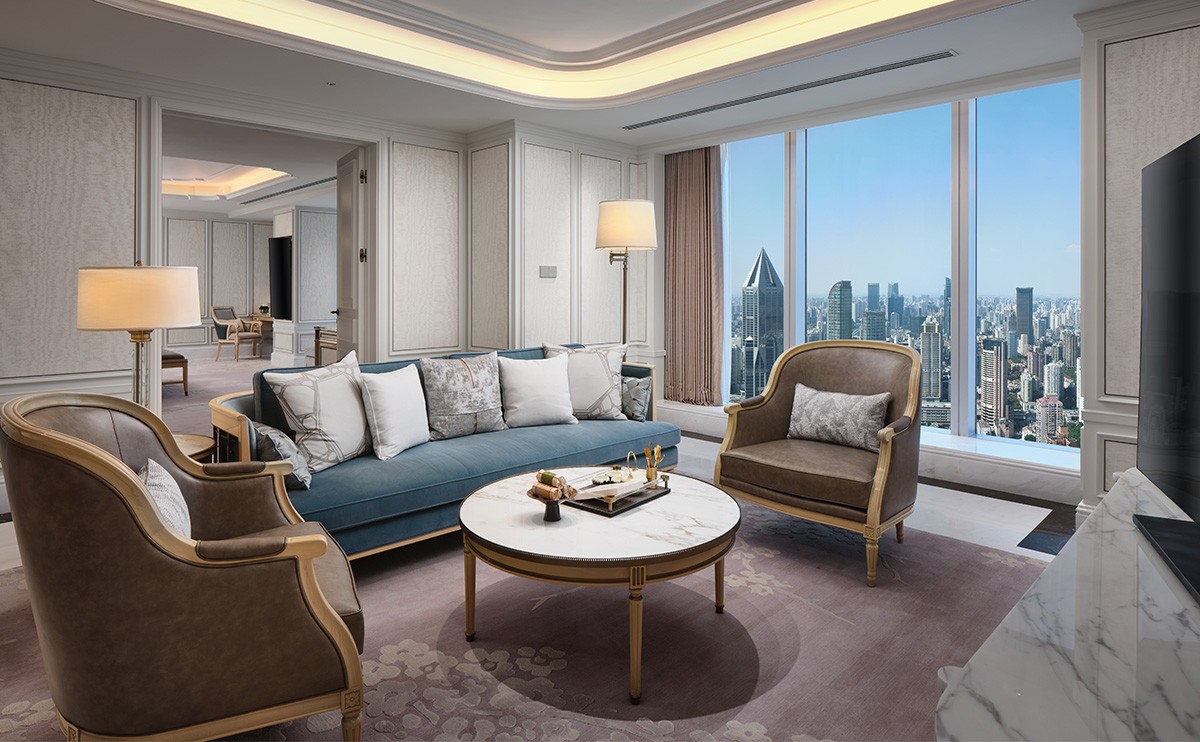
Renovation solutions for operating international-brand hotels and serviced apartments: non-closing construction with front-loaded design development, pilot-room-first workflows, zoned sequencing and integrated EPC delivery.
Why renovation is harder than new build
Many international-brand hotels are entering a 10–15 year renovation window. Renovation follows a completely different engineering logic:
Construction runs while the hotel stays open: site logistics, working windows, noise and dust control all directly affect guest experience and review scores.
Concealed works are uncertain: MEP lines and structural substrates in older buildings rarely match the drawings. Without thorough pre-surveys, change orders snowball.
Brand standards are upgraded: renovations usually come with newer brand-standard versions that decade-old workmanship may no longer satisfy.
International guests expect uninterrupted service, so construction must be organised from an operations perspective.
Five proven actions for non-closing renovation
Five factors decide the outcome of renovating an operating hotel:
Survey thoroughly before pricing: expose concealed-works uncertainty at tender stage with openings surveys and assessments, not on site.
Pilot room first: complete a sample room or section and get sign-off from brand, owner and operator before rolling out.
Zoned sequencing and time windows: organise works by floor or zone, schedule noisy and dusty trades in fixed windows with physical separation, and keep guest and work routes apart.
Front-load design development: renovation drawings must be deeper than new-build, resolving every new-to-old junction; integrated design-and-construction closes issues faster.
Daily coordination with hotel operations: align works, bookings and banquets every day — renovation management runs on a daily cadence.
Integrated solutions and delivery
Integrated EPC delivery: concept, design development, material samples, construction and handover organised on one chain.
Prefabricated fit-out: modular elements prefabricated off-site and assembled on site, compressing schedules and reducing wet trades.
Low-disturbance green construction: noise, dust and debris controlled centrally to minimise impact on operations.
Approximately 20,800 sqm of guestrooms, corridors, lift lobbies, spa and changing areas on levels 20–35 were renovated while the landmark at People’s Square remained in operation. The project received a Shanghai Excellent Decoration Award.
Yes. At Conrad Shanghai, 300 guestrooms and spa spaces were renovated while the urban landmark continued operating. Z-GROUP is experienced in site organisation and brand-standard compliance for renovation of operating hotels.
What are the typical challenges of high-end hotel renovation?
Construction must run in parallel with guests in residence, with demanding requirements on routing, noise and finished-work protection; concealed works in older buildings are uncertain and require thorough surveys and dynamic design development; high-end workmanship standards demand precise detailing and materials; and international guests expect uninterrupted service.
How do you reduce impact on guests in serviced-apartment or operating-hotel renovations?
Key practices include zoned, floor-by-floor sequencing with defined working windows; centralised scheduling and isolation of noisy, dusty and vibrating trades; physically separating guest and work routes with strong finished-work protection; surveying and piloting before rollout; and a daily coordination mechanism with hotel operations.